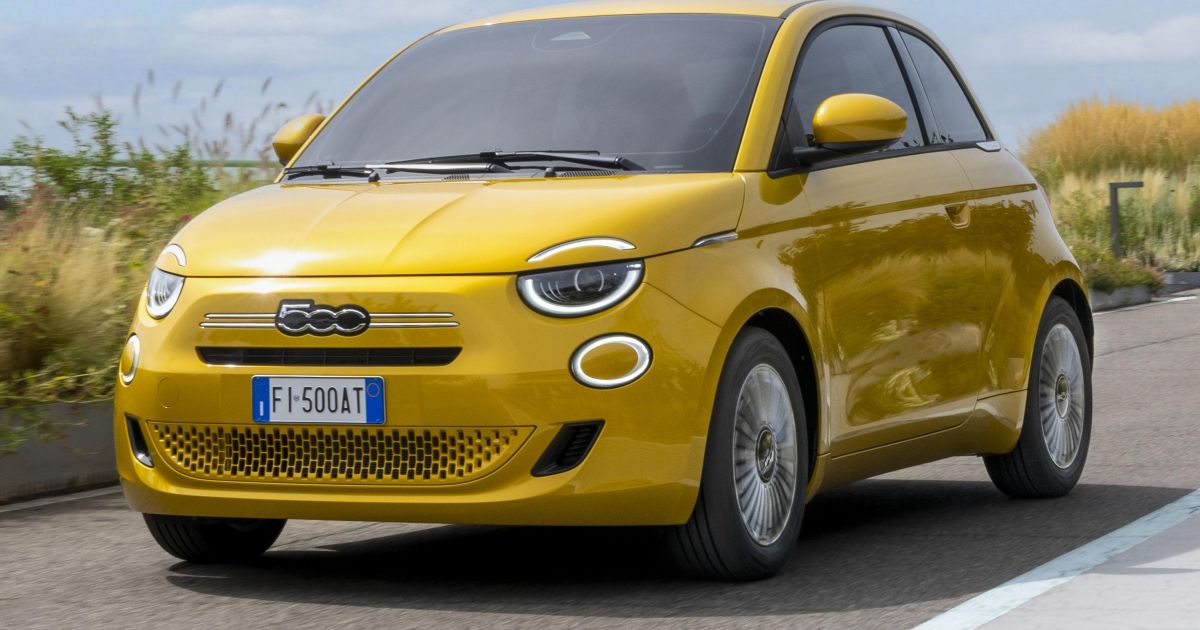
Automakers are well versed in the art of the slow reveal, but owners of the new Fiat 500 Hybrid will need to master the art of driving slowly.
To make the new 500 Hybrid, Fiat re-engineered the 500e’s electric-only platform to accept the 1.0-litre turbocharged three-cylinder mild-hybrid petrol drivetrain from the previous-generation 500.
In the new model the mild-hybrid makes 48kW, down 4kW from the previous generation. It once again employs a 12V lithium-ion battery to make the automatic engine start/stop system run more smoothly, and is paired exclusively to a six-speed manual transmission.
CarExpert can save you thousands on a new car. Click here to get a great deal.
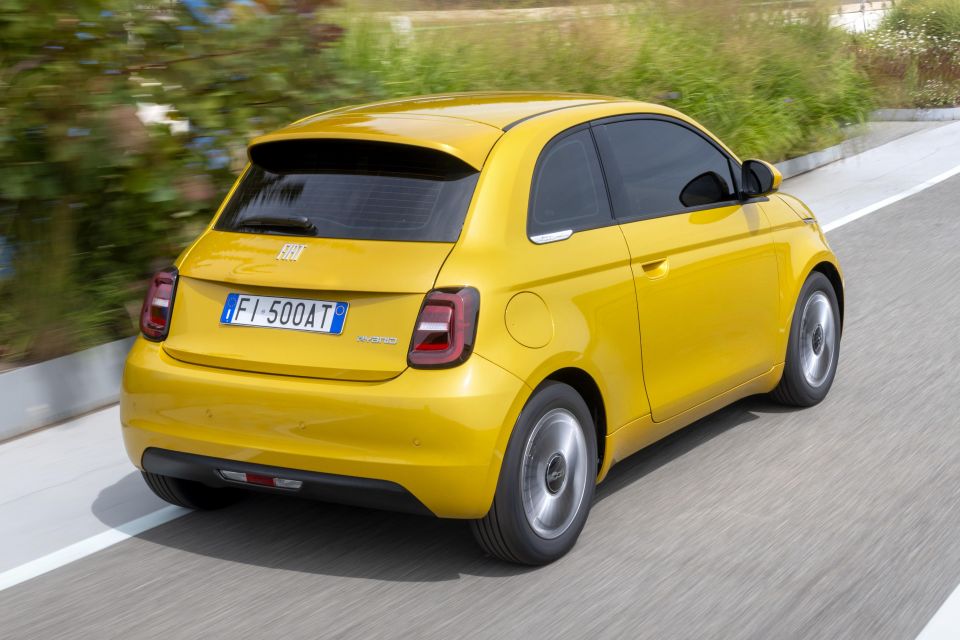
Flat out, the 500 Hybrid hatch can complete the 0-100km/h standard in 16.2 seconds, but this blows out to 17.3 seconds in the heavier convertible. It’s unclear how long it would take for the 500 Hybrid to hit its top speed of 150km/h, while fuel economy is expected to be around 5.3L/100km.
For context, the 87kW version of the electric 500e available in Australia has 0-100km/h time of 9.0 seconds, while the 71kW model sold in Europe needs 9.5s to hit the century.
While the Fiat 500 Hybrid has been detailed for Europe, pricing has yet to be announced before it arrives in markets including the UK by mid-2026, though it should be at least £5000 (A$10,000) cheaper than the 71kW 500e.
Fiat says its has “no updates” on the 500 Hybrid for Australia, where there is still plenty of MY24 and even MY23 stock available for the original non-hybrid 51kW 1.2-litre Fiat 500 Dolcevita hatch, priced at $28,900 before on-road costs. For reference, the 500e La Prima electric hatch is priced at $52,500 plus on-roads here.
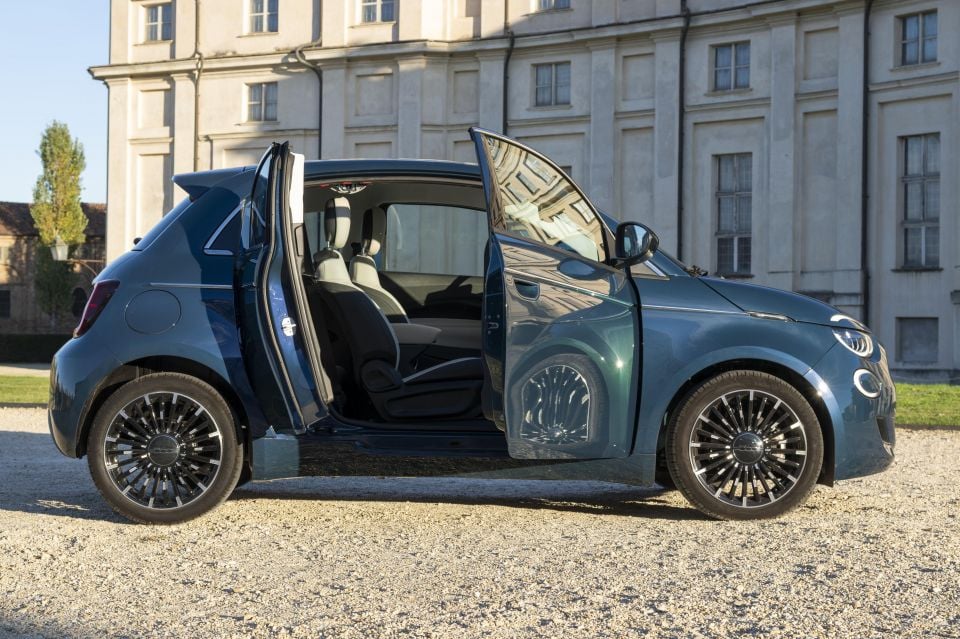
In Europe, the new/old hybrid drivetrain will be available in all three of the current generation’s body styles: three-door hatch, convertible, and Trepiuno, which features a small reverse-hinged rear door on the passenger’s side. The latter is only available in left-hand drive.
Visually there’s little to distinguish the 500 Hybrid from the electric 500e. There’s a new Hybrid badge on the tailgate, and underneath the front-end’s oversized 500 badge is a new, small rectangular air intake to help cool the tiny engine.
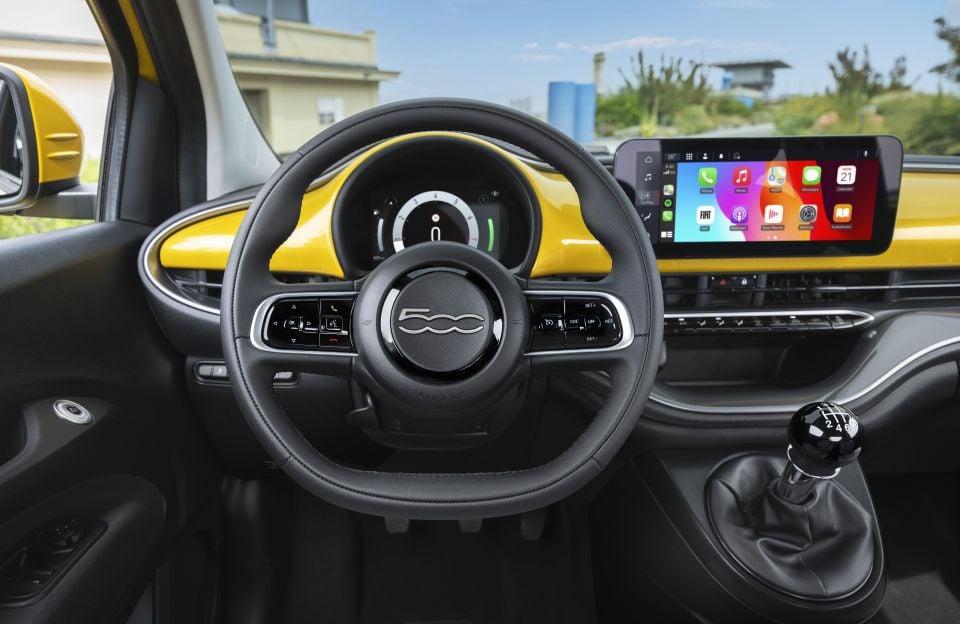
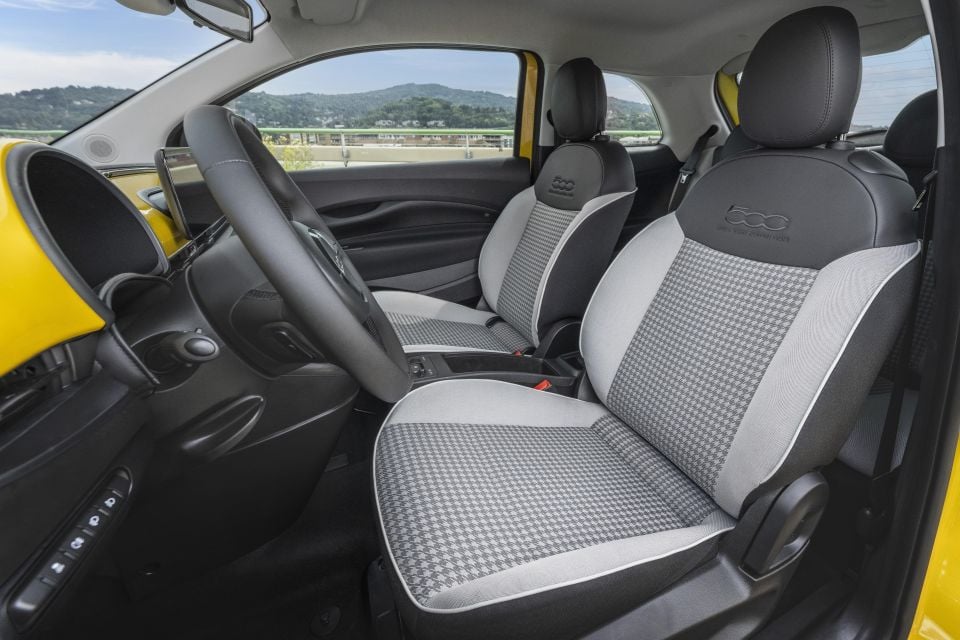
On the inside, the differences are similarly minimal, with the key change being the new pod jutting out of the dashboard that houses the manual shifter.
Launched in 2020, the 500e was one of the last products engineered by Fiat Chrysler before it merged with Groupe PSA – parent of Peugeot, Citroen, DS, Opel and Vauxhall – to form Stellantis.
Early in its life the 500e was the most popular EV in Italy, and the car managed around 65,000 sales in Europe in 2023. Sales have tapered off badly, though, with only 25,000 finding new homes in 2024.
In 2024 the petrol-powered second-generation 500 was withdrawn in the EU due to new cybersecurity regulations. As a result, Fiat’s share of the city car segment, as well as of the Italian market, has dropped dramatically.
Given the second-generation made its debut in 2007, Fiat decided doing the work necessary to shoehorn the three-cylinder mild-hybrid into the third-generation 500 made more sense than trying to bring the old car up to modern standards.
While the second-generation 500 was made in Poland, production of the 500 Hybrid will take place alongside the electric 500e at Fiat’s factory in Mirafiori, on the outskirts of Turin.
Production of the 500 Hybrid begins this month. While only Fiat only expects to make 5000 hybrids this year, it is hoping to produce 100,000 per year.
MORE: Explore the Fiat 500 showroom
#Fiat #Hybrid #detailed #performance #traded #affordability