UPDATED 22/09/2025 4:45pm: The federal government’s department of climate change and energy has responded to our questions around its statement that petrol and diesel will only be used by “light vehicles in very specific circumstances” as soon as 2035. It said the Cleaner Fuels Program is about developing low-carbon liquid fuels for aviation, shipping and specialist vehicles, not ending availability of traditional fuels for small vehicles like cars.
“The Net Zero Plan is a forecast of where the market is headed, not a government mandate,” said a spokesman for the department.” Australians will continue to have choice about the cars they buy and drive.
“As more people choose electric vehicles, the demand for petrol will naturally decline, but there will long be specific uses – like older cars, specialist vehicles or recreational activities – where fossil fuels are still part of the mix.
“We want to make sure Australians have access to cheaper, cleaner cars and fuels. That means supporting motorists with more options, not fewer.”
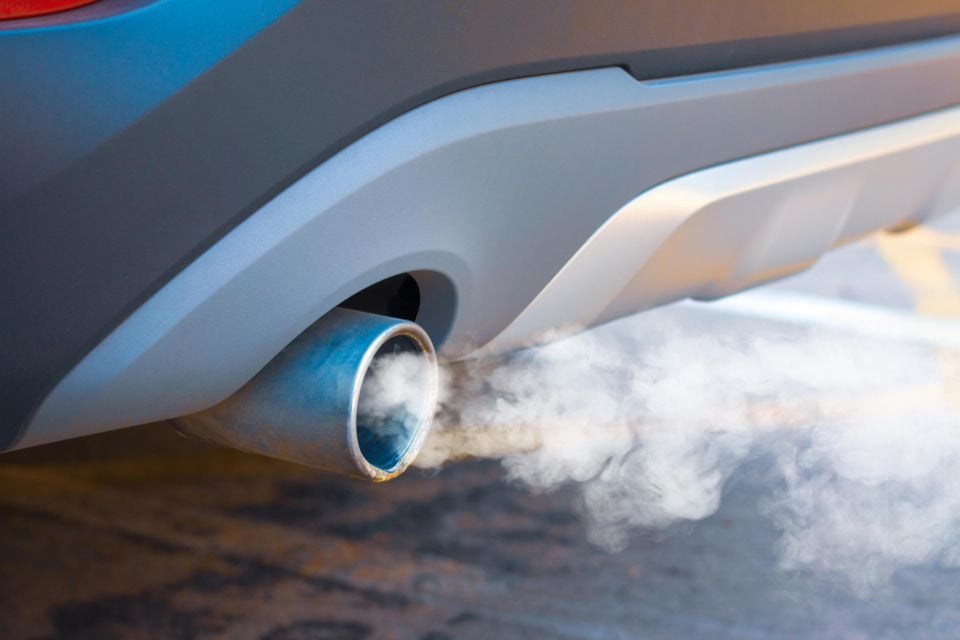
The Australian Government has announced a 10-year Cleaner Fuels Program it says will promote private investment in local production of low-carbon liquid fuels to replace heavy fuel oils in cargo ships, jet fuel in airliners, diesel in heavy trucks and – eventually – diesel, petrol and liquified petroleum gas (LPG) in cars.
Federal minister for climate change and energy Chris Bowen said the $1.1 billion program plans to foster the introduction of biofuels made from feedstocks including canola, sorghum, sugar and waste.
The first of these ‘drop-in’ fuels is expected to be publicly available from 2029 to power “jets, ships, construction machines and heavy trucks”, said the government.
“Low-carbon liquid fuels are an enormous economic opportunity for Australia,” federal treasurer Jim Chalmers said in a statement.
CarExpert can save you thousands on a new car. Click here to get a great deal.
“Developing this industry has potential to make us an indispensable part of growing global net zero supply chains.
“This is a downpayment on developing an entirely new industry in Australia.”
The plan is part of the government’s Transport and Infrastructure Net Zero Roadmap and Action Plan, designed to reduce transport sector emissions.
The federal government says the transport sector is currently responsible for 22 per cent of Australia’s annual carbon dioxide emissions.
To meet the government’s commitment to achieve a CO2 emissions reduction of between 62 and 70 per cent from 2005 levels by 2035, half of all new cars sold will need to be electric within the next 10 decade.
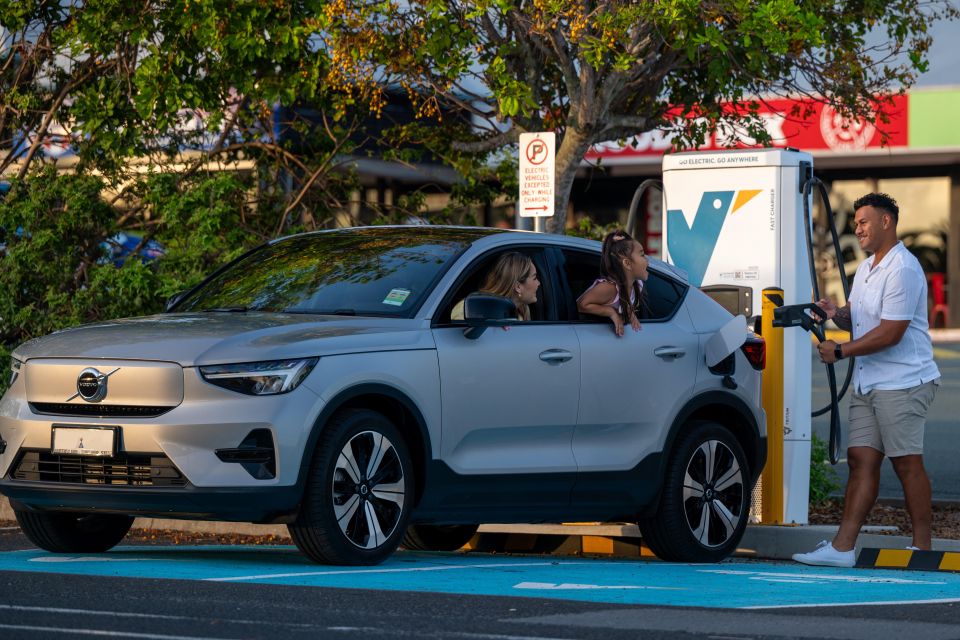
So far this year electric vehicles (EVs) have accounted for 7.6 per cent of all new-car sales in Australia, following a similar proportion to 2024 and 2023.
Toyota, Australia’s number one auto brand since 2008, believes the market share of EVs may rise to as much as 30 per cent in the next five years.
If so, EVs would need to add another 20 per cent market share increase between 2030 and 2035.
“If we do not act, transport emissions are on track to be the largest source of greenhouse gas emissions in Australia by 2030. Ensuring the transport sector is fit for our net zero future is essential,” said Mr Bowen in the foreword of the action plan.
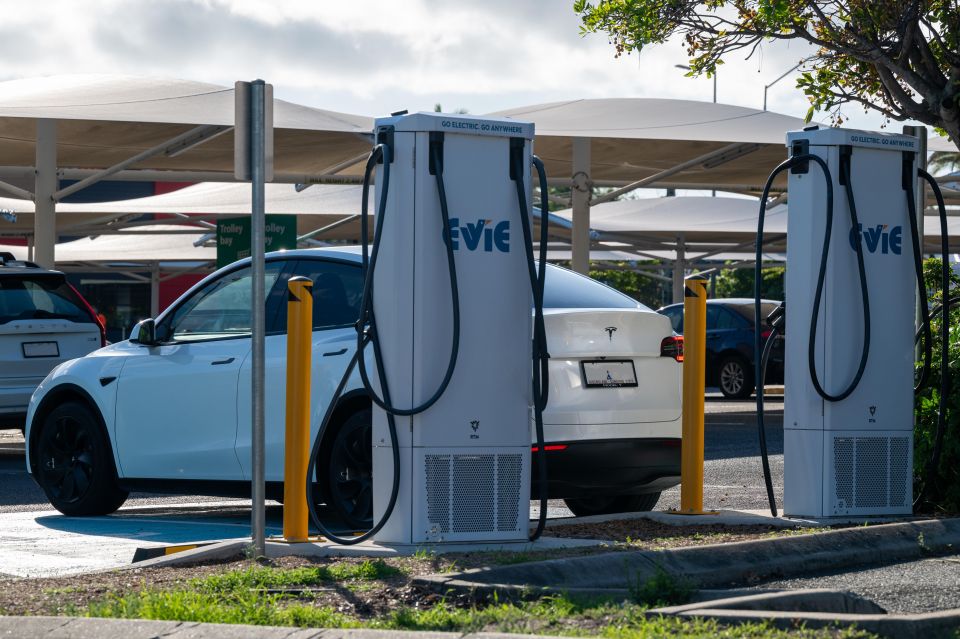
“As the light vehicle fleet continues to electrify, fossil fuel demand will continue to decrease until it is only used in light vehicles in very specific circumstances,” the report reads.
CarExpert has contacted Mr Bowen’s office for clarification on the “specific circumstances” the plan envisions beyond 2035.
The Transport and Infrastructure Net Zero Roadmap and Action Plan has three timeframes for its ‘net zero pathway for light vehicles’.
The first phase, from now until 2030, includes the New Vehicle Efficiency Standard (NVES) introduced this year, which is aiming for a 60 per cent reduction in light passenger vehicle emissions.
It also includes more EV charging infrastructure and increased adoption of bidirectional charging.
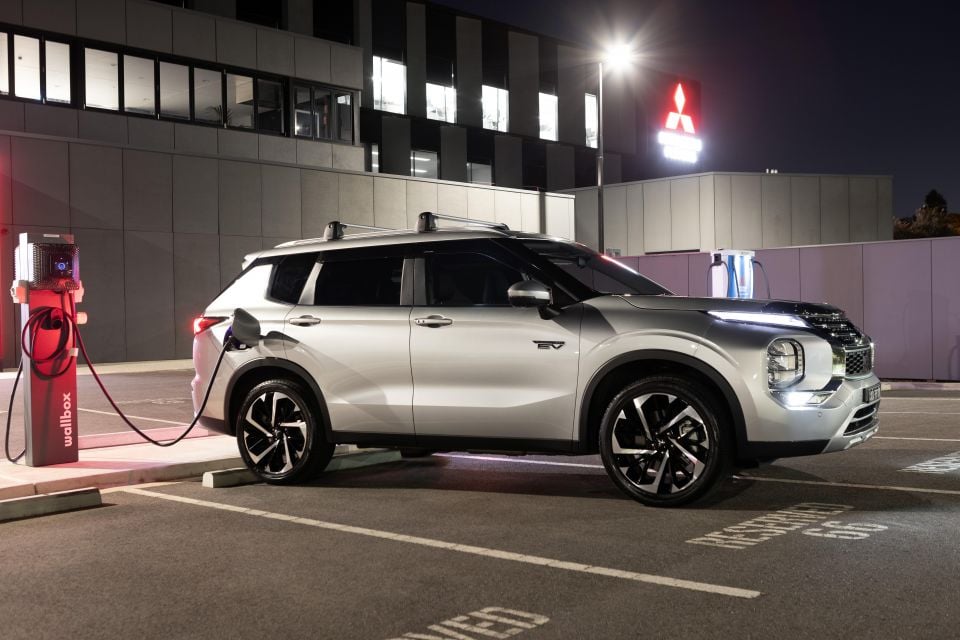
Mitsubishi became the first automaker in Australia to be approved for vehicle-to-grid (V2G) charging when its Outlander and Eclipse Cross plug-in hybrid (PHEV) SUVs were given the green light by the South Australia government in May last year.
Between 2030-2035, the federal government plans to ‘scale up’ V2G charging capability and EV charging infrastructure – with fossil fuel only to be used in “specific circumstances” by 2050.
Government departments are already moving away from fossil fuel.
Earlier this month, the Australian Army received its first delivery of renewable diesel as part of its transition to low-carbon liquid fuels.
The renewable diesel, known as RD30, is now powering its M113 armoured personnel carriers and light armoured vehicles.
As well as an environmental gain, a statement from Australian Defence said the move was also of strategic importance.
“In line with our National Defence Strategy, Army needs robust redundancy across energy needs and supplies,” Lieutenant Colonel Cimbaljevic said in a statement.
MORE: Australian Government climate target will require half of all new cars sold to be EVs by 2035
#Federal #government #announces #1.1b #plan #power #cars #lowcarbon #biofuel