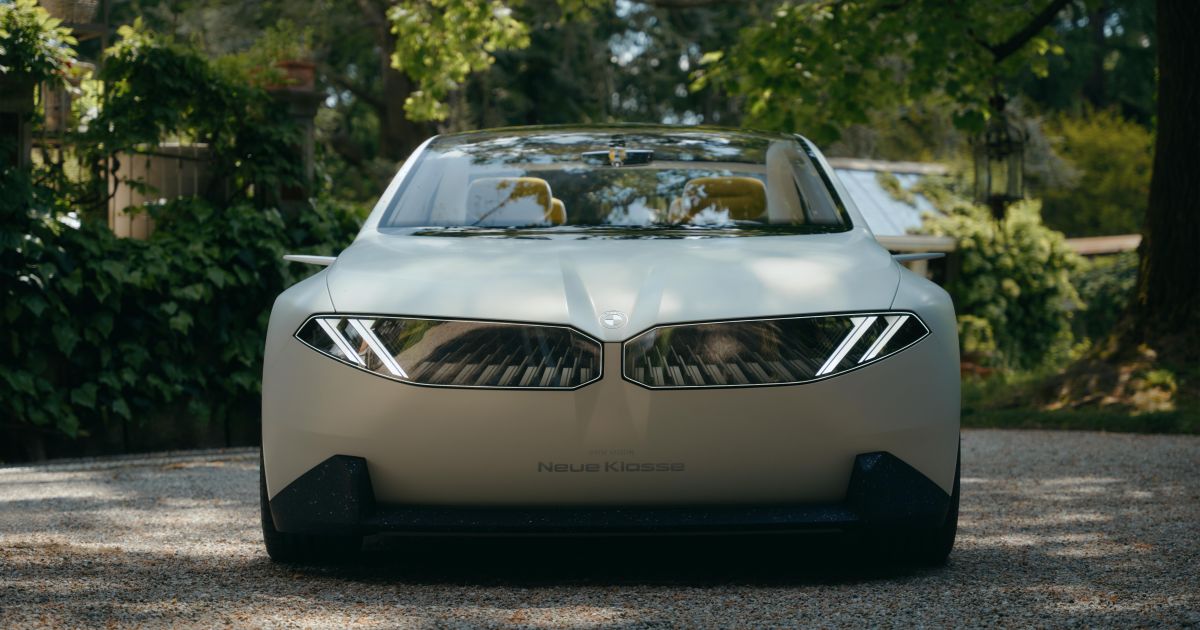
BMW might expand its electrified drivetrain options beyond mild hybrids, plug-in hybrids (PHEVs) and pure electric vehicles (EVs) to include petrol range-extenders.
Sources have told Bloomberg BMW is considering adding a petrol range-extender option to some of its electric vehicles.
At present the automaker is only thinking of adding the feature to its larger vehicles because they have the necessary space in the engine bay to easily accommodate both a small petrol engine and an electric motor.
CarExpert can save you thousands on a new car. Click here to get a great deal.
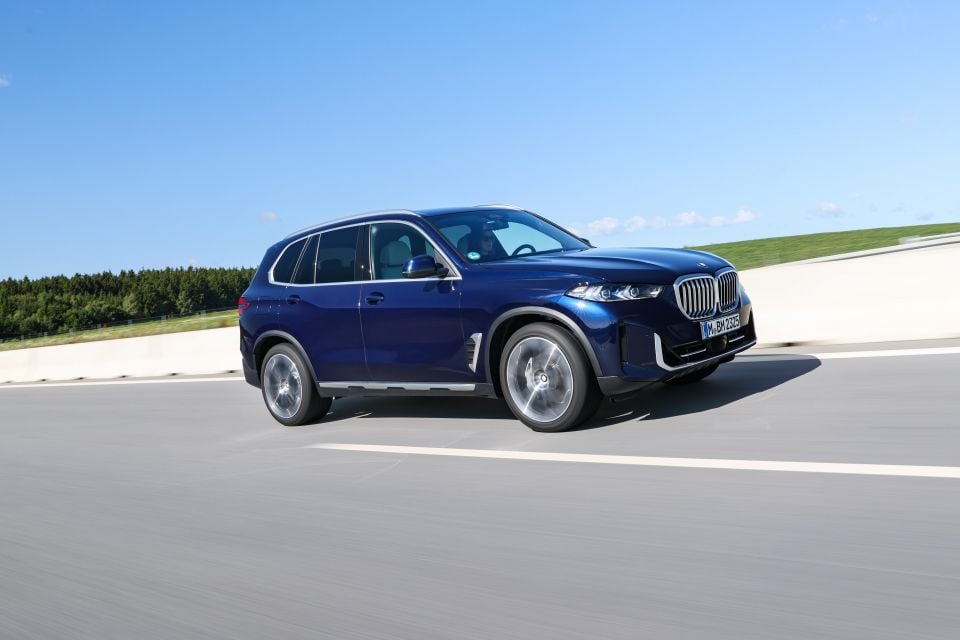
If the project receives the green light, the first cars to benefit will likely be the i7 and iX5, but it’s not clear when range-extender options will become available. The next-generation X5 is due to debut in 2027, but the current 7 Series, launched in 2022, still has a lot of life left in it yet.
In an extended-range electric vehicle (EREV), the electric motor or motors are solely responsible for driving the wheels, with the petrol engine only turned on to recharge the battery pack whenever it’s running low or when the driver demands it be topped up.
This tech isn’t new to BMW, with the company’s pioneering and now defunct i3 hatch offered in both pure electric and EREV forms.
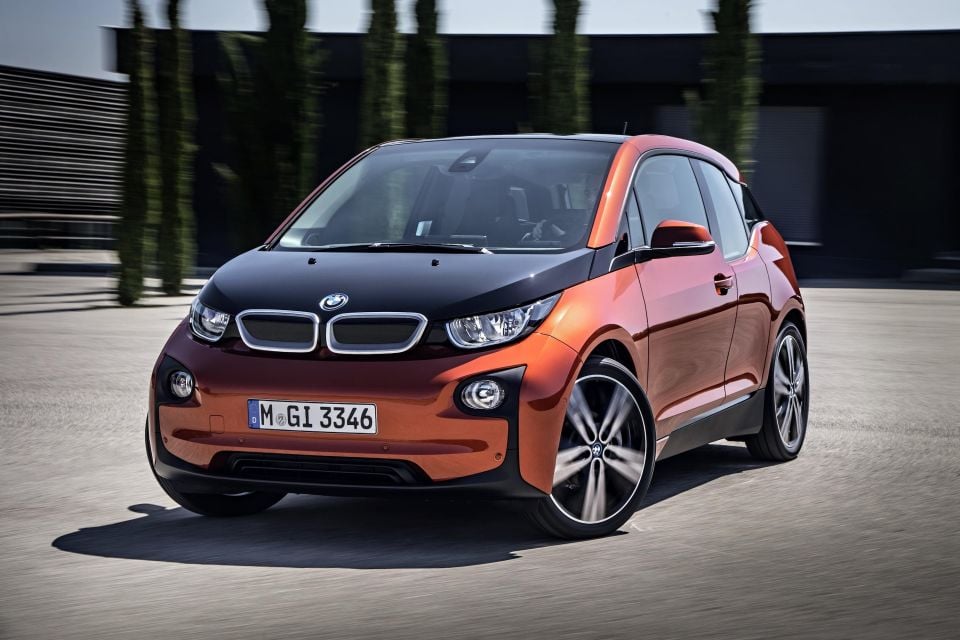
The extended-range i3 REV had a 25kW 647cc two-cylinder engine from BMW’s moto-scooter lineup, and on fast highways or hilly roads couldn’t replenish the battery quicker than it was being drained. That’s because the system in the original i3 was designed to provide enough energy to get the car to a charger.
Modern EREVs, like the ones offered by Chinese brands, have larger engines and are designed for long-range travel situations where charging points may be hard to come by or inconvenient to access. In typical urban and suburban usage, EREVs are designed to operate as pure EVs.
EREVs have become popular in China, and the technology is showing up on the radar of European and American automakers too.
Volkswagen is reviving the Scout brand for a new full-size pickup truck and SUV aimed at the American market. They were initially conceived as pure EV models to take on the likes of the Rivian R1T and R1S, but with electric vehicle adoption Stateside falling well short expectations, Scout’s ute and SUV will instead be available with both EV and EREV powertrains.
In September, Ram cancelled its long-delayed 1500 EV in favour of fast-tracking the range-extender model, previously known as the Ramcharger, to production.
Despite being an early adopter of EVs with the i3, BMW didn’t embrace EV fervour as strongly as many other manufacturers.
Instead of rushing to develop electric-only models, it modified its CLAR architecture to support EV drivetrains in addition to petrol, diesel, mild hybrid, and plug-in hybrid.
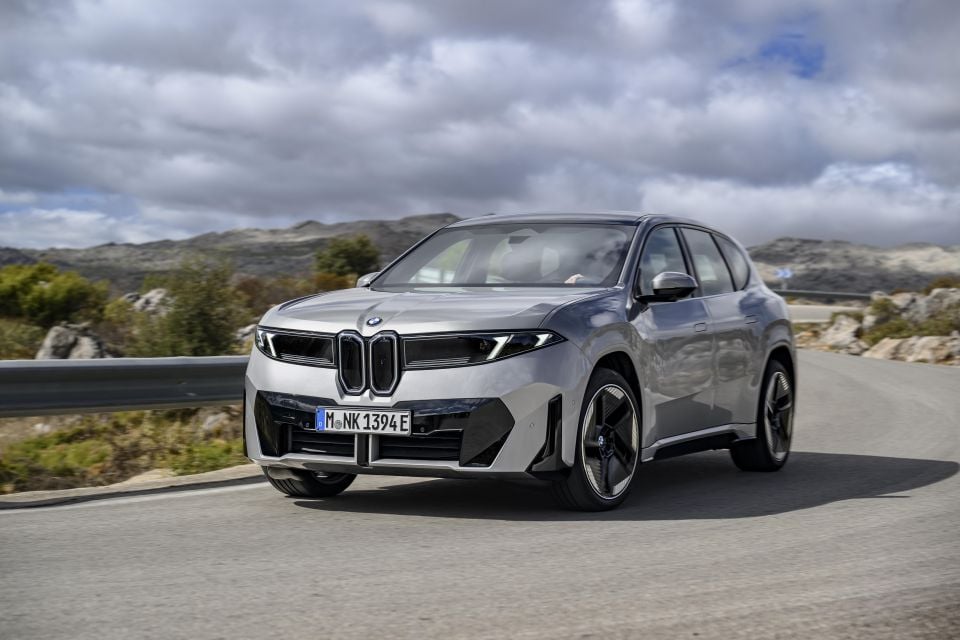
It wasn’t until this year that BMW launched its first dedicated mainstream EV platform. Dubbed Neue Klasse, the architecture debuted in the latest iX3, and will serve as the basis of the upcoming i3 sedan.
MORE: Explore the BMW showroom
#BMW #adding #petrol #rangeextenders #EVs #report