The Australian Automobile Association (AAA) has been testing the fuel consumption and emissions claims of automakers since 2023, and now it’s expanding its testing program to look at electric vehicle (EV) range figures.
The peak motoring body has released test results for five EVs analysed under its federally funded Real-World Testing Program, and found their driving range figures were anywhere between 5 and 23 per cent less than claimed in actual driving conditions.
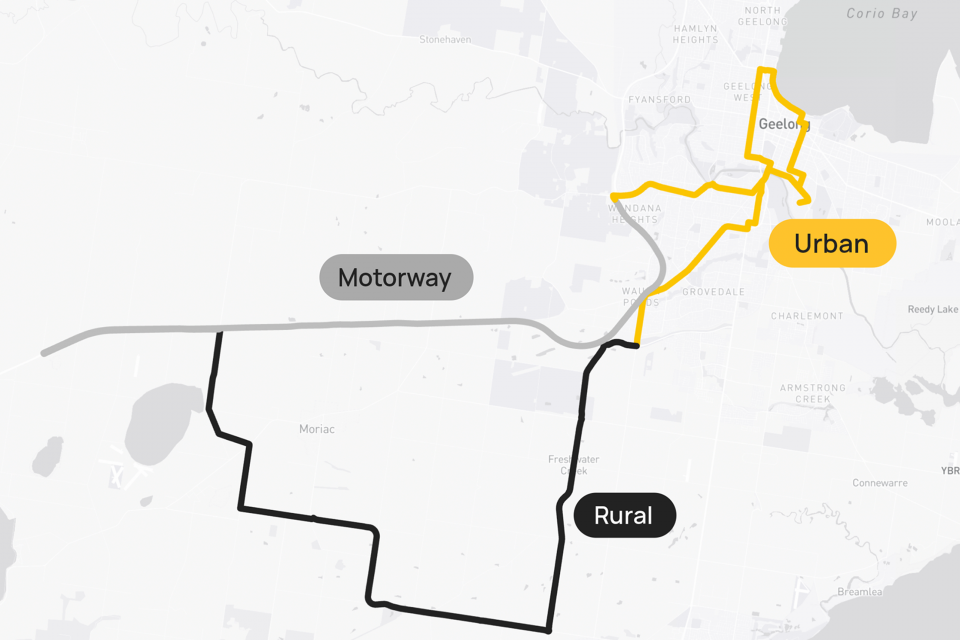
The AAA says it tests EVs on a 93km route in and around Geelong, Victoria. All were tested in a mix of damp and dry conditions, though temperatures varied from 17°C to 25°C.
CarExpert can save you thousands on a new car. Click here to get a great deal.
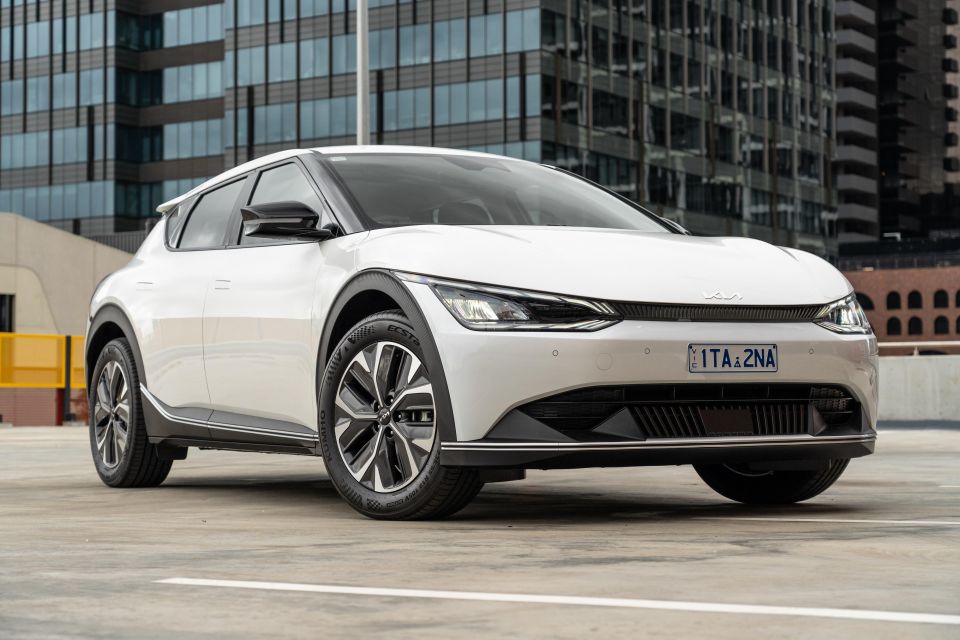
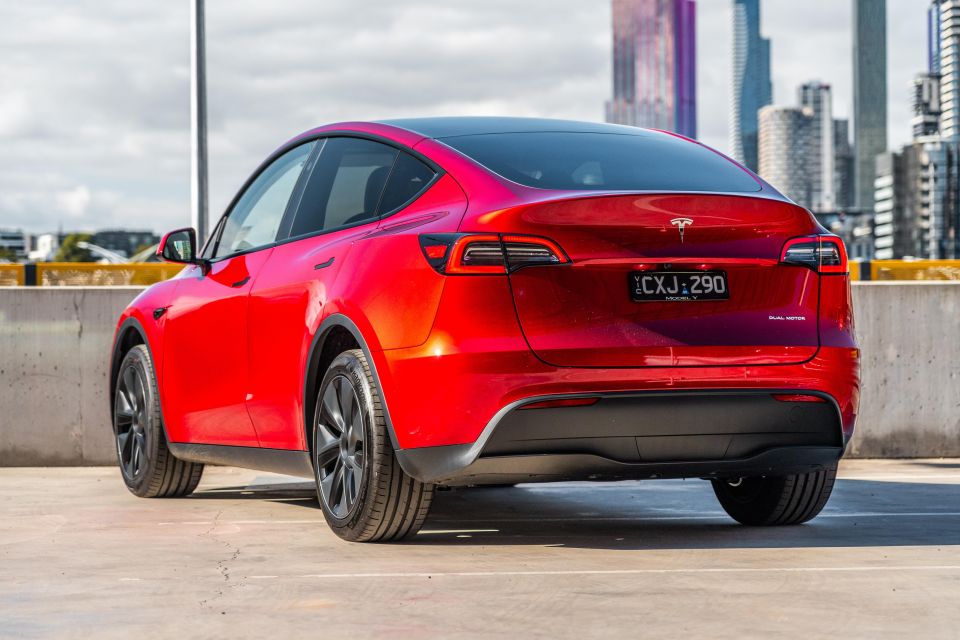
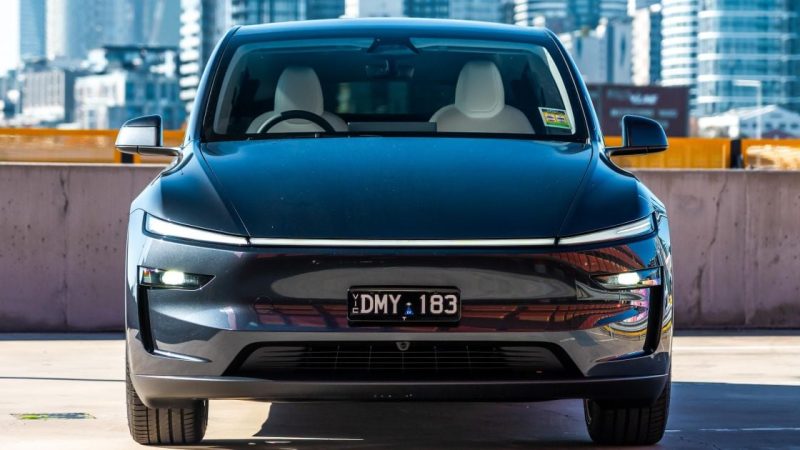
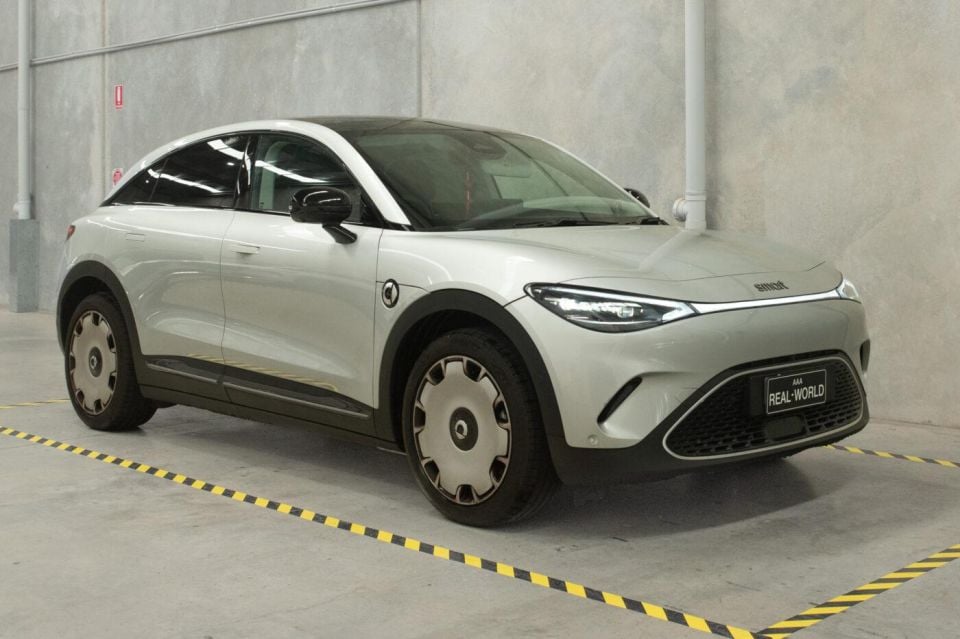
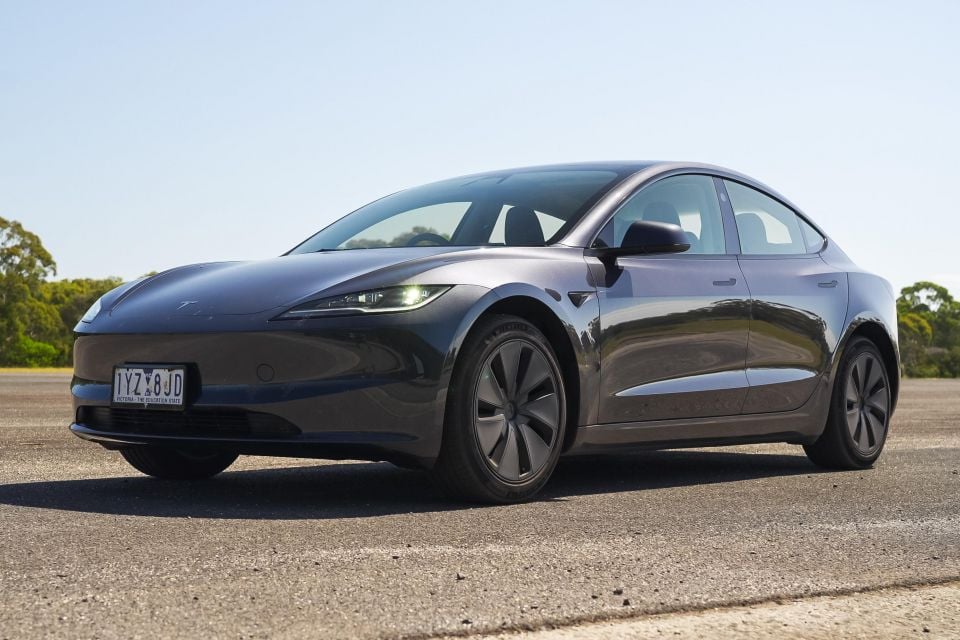
It tested a pre-facelift 2024 Tesla Model Y Long Range AWD, a post-facelift 2024 Tesla Model 3 RWD, a 2023 BYD Atto 3 Extended Range, a 2022 Kia EV6 Air, and a 2024 Smart #3 Premium.
Apart from the Smart, which had just 4202km on the odometer, all had between 14,000km and 30,000km on the odometer.
Here’s how the five vehicles compared:
| Model | Lab range | RWT range | Lab energy consumption | RWT energy consumption |
|---|---|---|---|---|
| Tesla Model Y | 533km | 490km | 16.9kWh/100km | 16.7kWh/100km |
| Tesla Model 3 | 513km | 441km | 13.2kWh/100km | 14.0kWh/100km |
| BYD Atto 3 | 480km | 369km | 14.9kWh/100km | 18.0kWh/100km |
| Kia EV6 | 528km | 484km | 16.5kWh/100km | 16.6kWh/100km |
| Smart #3 | 455km | 432km | 16.3kWh/100km | 17.0kWh/100km |
The lab range figures are all based on ADR 81/02 claims, published on the government’s Green Vehicle Guide.
ADR 81/02 figures are based on the NEDC test cycle that’s no longer employed in Europe, where it has been replaced by the WLTP cycle that’s considered more realistic.
Likewise, the government’s New Vehicle Efficiency Standard (NVES) still relies on these NEDC-based figures.
Many auto brands in Australia now advertise WLTP figures in their marketing, but the Green Vehicle Guide sticks with NEDC figures.
In testing, the BYD Atto 3 had the greatest variances with a 23 per cent shorter range than claimed, and 21 per cent higher energy consumption.
The Model 3 was found to have 14 per cent less range and six per cent greater energy consumption than claimed.
All the other vehicles also were down on claimed range, by between five and eight per cent, and used more energy than in lab testing.
The sole exception was the Tesla Model Y, which had an eight per cent shorter range than claimed but used one per cent less energy.
You can view more details on the AAA’s Real-World Testing Program website.
The AAA’s Real-World Testing Program started in 2023 with $14 million of Commonwealth funding, and since then a total of 114 combustion-powered and hybrid vehicles have been assessed.
The organisation specifically cites Volkswagen’s ‘Dieselgate’ scandal of 2015 as the catalyst behind creating the program.
It tests vehicles on a 93km circuit in and around Geelong, and says it “uses strict testing protocols based on European regulations to ensure results are repeatable and to minimise the influence of human factors such as driving style and changing traffic flows”.
#range #claims #BYD #Tesla #scrutinised #realworld #testing